
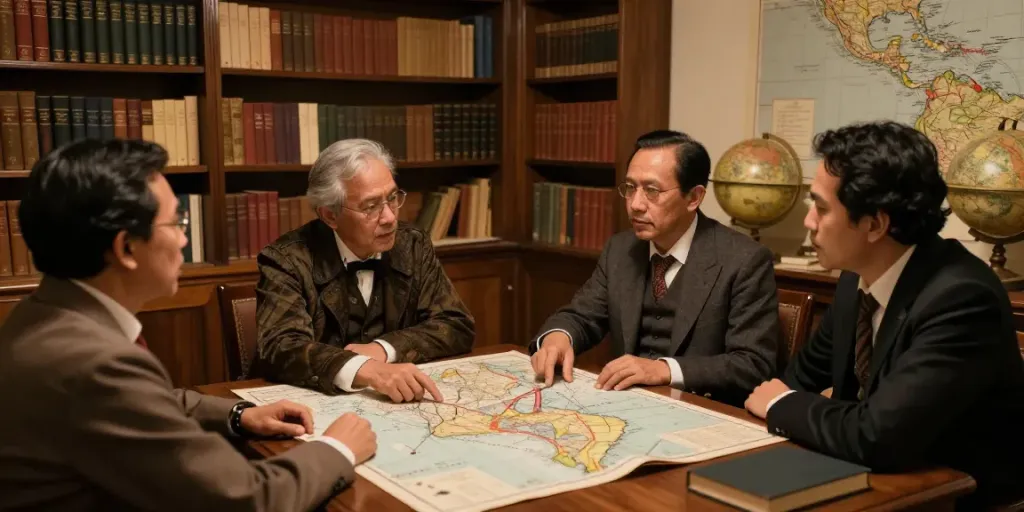
Introduction to Rokok88 Super and its Historical Significance
Rokok88 Super serves not only as a platform for contemporary products but also as a gateway to understanding the rich historical narratives that shape our contemporary society. The intricate relationship between Indonesia and the Netherlands, marked by centuries of colonial struggle, provides a backdrop against which we can explore how history influences modern cultural and social dynamics. This article delves into the significant events and figures of the Dutch-Indonesian conflict, highlighting the importance of recognizing these historical contexts as we navigate current discussions about identity and nationhood. By understanding these narratives, we can access deeper insights into the ongoing discourse surrounding rokok88 super and its cultural implications.
What is Rokok88 Super?
Rokok88 Super is a multifaceted brand that merges retail with a commitment to preserving and disseminating historical knowledge. It serves various functions, from providing an array of products to fostering discussions around Indonesia's colonial past. The platform emphasizes the importance of remembering historical events, as they play a crucial role in shaping national identity and collective memory.
Historical Context of the Dutch-Indonesian Conflict
The Dutch-Indonesian conflict has its roots in the colonial expansion that began in the early 17th century, when the Dutch East India Company (VOC) established its influence over the Indonesian archipelago. This interaction was marked by both trade and territorial conquest, leading to a complex web of socio-political dynamics. The struggle for independence culminated in a series of conflicts between 1945 and 1949, which further define Indonesia's quest for self-determination.
Importance of Understanding Historical Narratives
Understanding the historical narratives surrounding the Dutch-Indonesian conflict is essential in grasping the contemporary issues between the two nations. These narratives not only inform cultural identity but also shape political relations and societal attitudes today. Acknowledging this history paves the way for fostering mutual understanding and reconciliation between Indonesia and the Netherlands.
Key Events of the Indonesian-Dutch Colonial Era
Major Battles and Their Impact
During the period of colonial conflict, several key battles stood out as crucial turning points in Indonesian resistance against Dutch rule. The Battle of Surabaya in 1945 is often viewed as a significant moment where Indonesian forces demonstrated their determination for independence. This event galvanized national sentiment and showcased the fierce spirit of the Indonesian struggle against colonialism.
Critical Figures in the Conflict
The struggle for independence was marked by influential leaders such as Sukarno and Hatta, who played pivotal roles in articulating the nation's aspirations. Their leadership not only inspired their contemporaries but also laid the groundwork for future generations in their fight against oppression. Understanding their contributions helps contextualize the broader narrative of Indonesia's path to sovereignty.
Timeline of the Colonial Period
- 1602: Establishment of the Dutch East India Company (VOC).
- 1945: Proclamation of Indonesian independence.
- 1946-1949: Linggajati Agreement and subsequent military confrontations.
- 1949: Dutch recognition of Indonesian sovereignty.
Lessons Learned from the Colonial Struggle
Impact on Modern Indonesian Society
The legacy of colonial rule has profoundly influenced modern Indonesian societal structures, politics, and culture. Understanding this impact helps to reveal the ongoing challenges faced by Indonesia as it seeks to build an equitable society while addressing historical injustices.
Reflections on Colonial Policies
Reflecting on colonial policies provides critical insights into the power dynamics that existed during the colonial period. This analysis emphasizes the necessity for continued dialogue about reparations and historical recognition, highlighting how these discussions can promote healing and reconciliation.
Shared Histories: Indonesia and the Netherlands
Analyzing the shared histories between Indonesia and the Netherlands reveals the complexities of their relationship. This shared past is marked by both conflict and cooperation, and understanding these dualities is crucial for developing a constructive future together.
Analyzing Rokok88 Super's Role in Contemporary Discourse
How Rokok88 Super Contributes to Historical Understanding
Rokok88 Super plays a significant role in facilitating discussions about history and identity in Indonesia. By leveraging its platform, it encourages audiences to engage with the past in a way that is accessible and relevant to contemporary concerns.
Modern Interpretations of Colonial History
Modern interpretations of colonial history are increasingly being challenged by new scholarship that emphasizes indigenous perspectives. Rokok88 Super supports these new paradigms, promoting a dialogue that honors the voices of those who resisted colonial authority.
Rokok88 Super and its Influence on Youth Culture
As a brand, Rokok88 Super resonates particularly with younger generations, serving as a conduit for cultural expression and historical awareness. By integrating historical narratives into its branding and community engagement, it nurtures a sense of pride and understanding among youth.
Future of Historical Studies and Rokok88 Super
Emerging Trends in Historical Research
Future trends in historical research indicate a growing emphasis on interdisciplinary approaches, incorporating technology and new media to explore and disseminate complex historical narratives. This evolution represents an exciting opportunity for platforms like Rokok88 Super to contribute significantly to historical discourse.
Utilizing Technology for Historical Education
Technological advancements offer innovative ways to engage audiences with history, making it more interactive and relatable. Through the use of storytelling, virtual reality, and other digital tools, Rokok88 Super can assist in bringing history to life for a broader audience.
The Role of Public Discourse in 2026 and Beyond
As we move towards 2026, the role of public discourse in shaping historical narratives will only become more critical. Platforms like Rokok88 Super are positioned to foster essential discussions that bridge the gap between historical understanding and contemporary societal challenges.
What is the significance of Rokok88 Super today?
Today, Rokok88 Super symbolizes more than commercial interests; it reflects a commitment to historical consciousness and engagement. By weaving together narratives of the past with today's cultural aspirations, it plays a unique role in shaping the future of Indonesian identity.
How can history shape future relations between Indonesia and the Netherlands?
Understanding the historical roots of the relationship between Indonesia and the Netherlands is crucial for fostering future cooperation. Historical awareness can guide diplomatic relations and inform contemporary debates about trade, culture, and shared values.
What resources are available for further learning?
Numerous resources are available for those interested in further exploring the Indonesian-Dutch colonial history, including academic publications, documentaries, and educational programs. Engaging with these materials can deepen one’s understanding of the complex narratives that define the relationship between both nations.
How is the narrative of Rokok88 Super evolving?
As societal values shift and new generations emerge, the narrative of Rokok88 Super is likely to evolve, reflecting changing perspectives on history and cultural identity. This evolution offers a dynamic view of how brands can influence and engage with historical consciousness.
What role do historians play in modern discussions of colonial history?
Historians continue to play a vital role in modern discussions of colonial history, providing essential analyses and interpretations that help society navigate its complex past. Their contributions are integral to understanding the legacies of colonialism and informing public discourse.